

Policy for Economy & Education
Feeling invisible isn’t a rare feeling, especially in small communities. Policy for Economy and Education aims to help the invisible be seen and heard, sparking change. To do so, our team conducts research, interviews, and community outreach on pressing local issues, especially in Brooklyn’s Chinatown.

Voter Registration
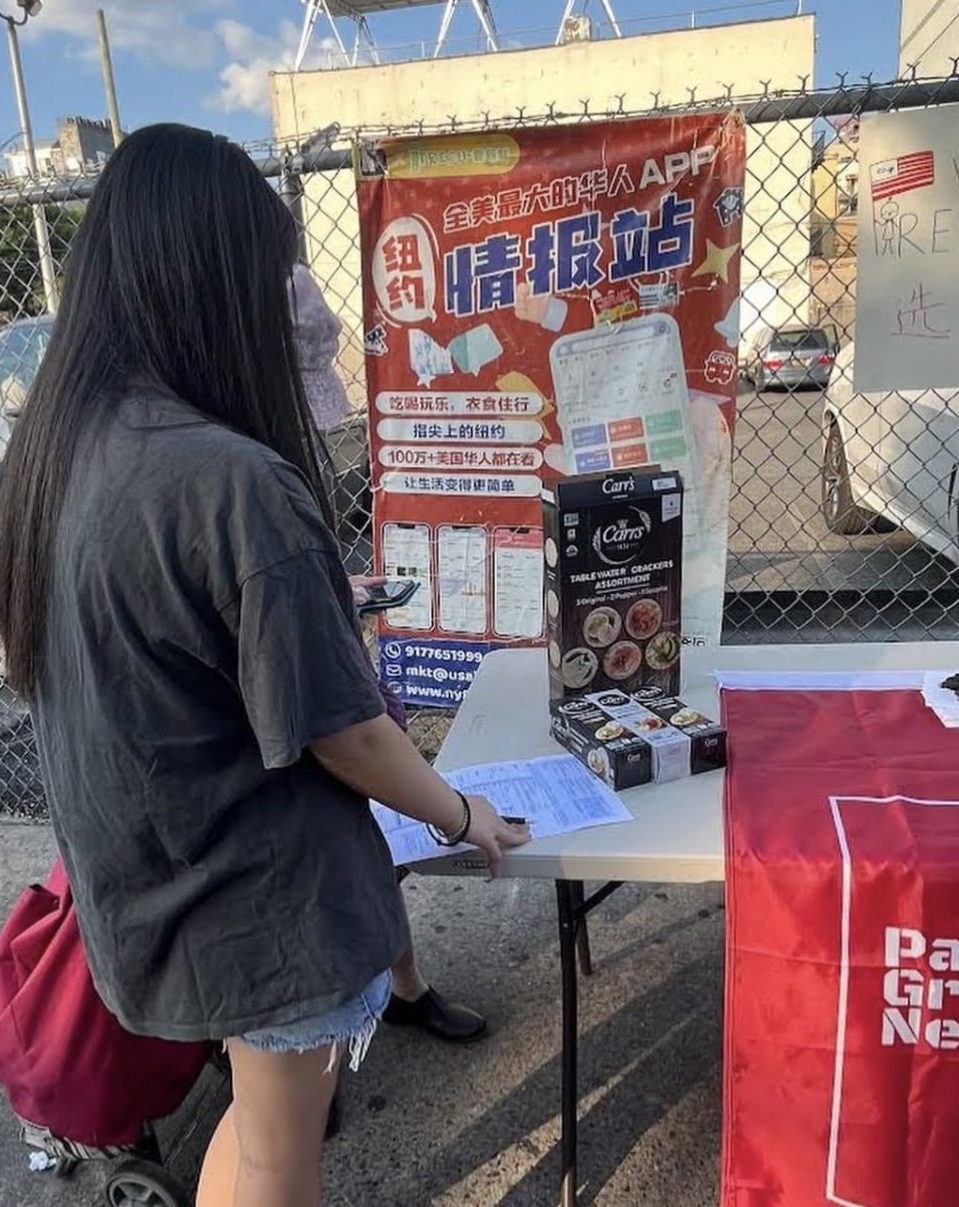
Last summer and fall, Appleseed’s Policy for Economy & Education team coordinated with supermarkets and libraries to host voter registration drives. By spreading awareness of the importance of voting and bridging language barriers, the team helped over 30 Asian Americans in Brooklyn’s Sunset Park, a community with historically low voter turnout, register to vote in the 2024 election.
Satellite Babies
Over the past three decades, a rising practice in New York’s Chinatown has been to send newborn children to China to be raised by their relatives, resulting in “satellite babies”. Once they reach school age, they are brought back to the United States. To assess the motivations and consequences of this practice, as well as possible next steps, the Policy for Economy and Education team interviewed community leaders and mental health specialists.
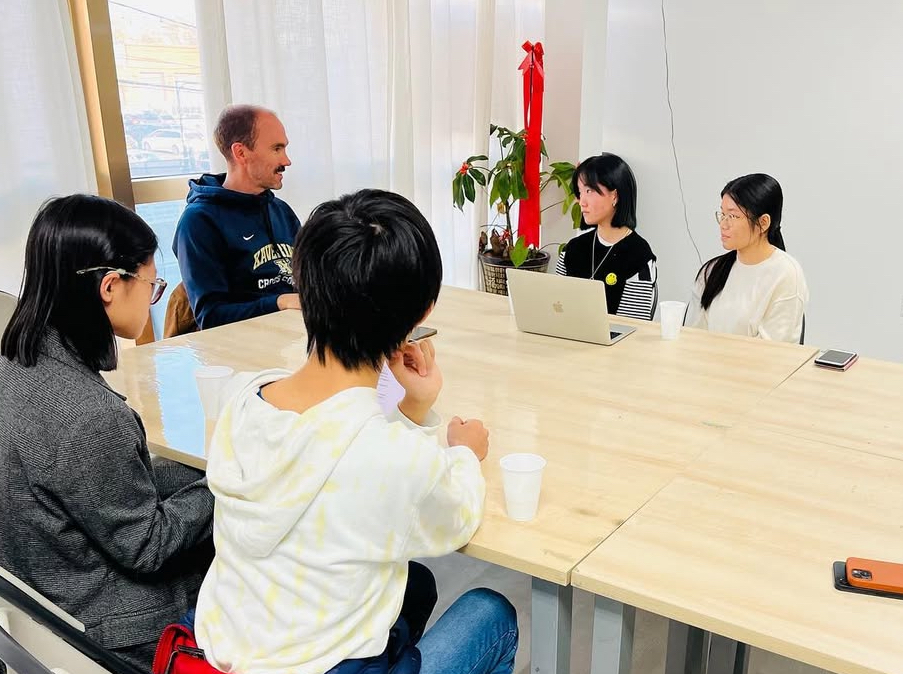
Interview with CEC20 President Steve Stowe
To better understand the actions being taken by schools to help satellite babies adjust socially and academically, the Policy for Economy and Education team met with Steve Stowe, the president of the Community Education Council of District 20, a predominantly Chinese American area.
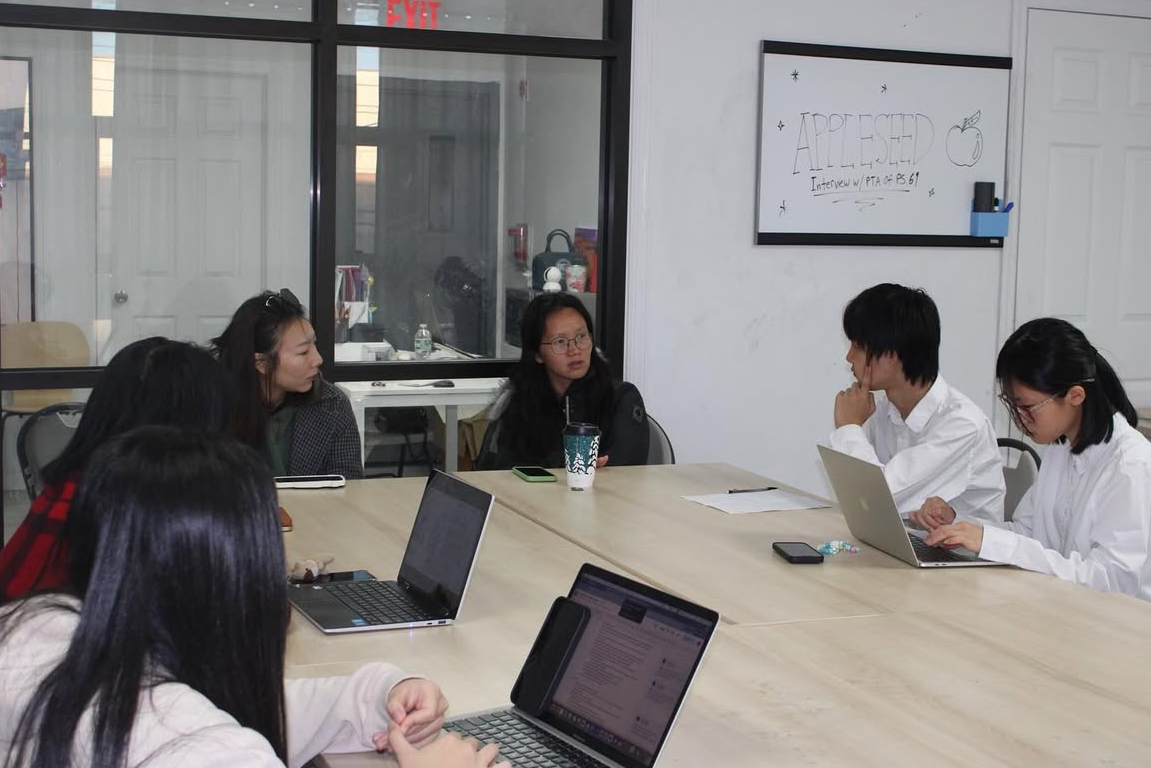
Interview with local PTA
The team met with the PTA from P.S. 69, an elementary school in Sunset Park with a large Chinese American population, to discuss their observations on the academic and social development of satellite babies.
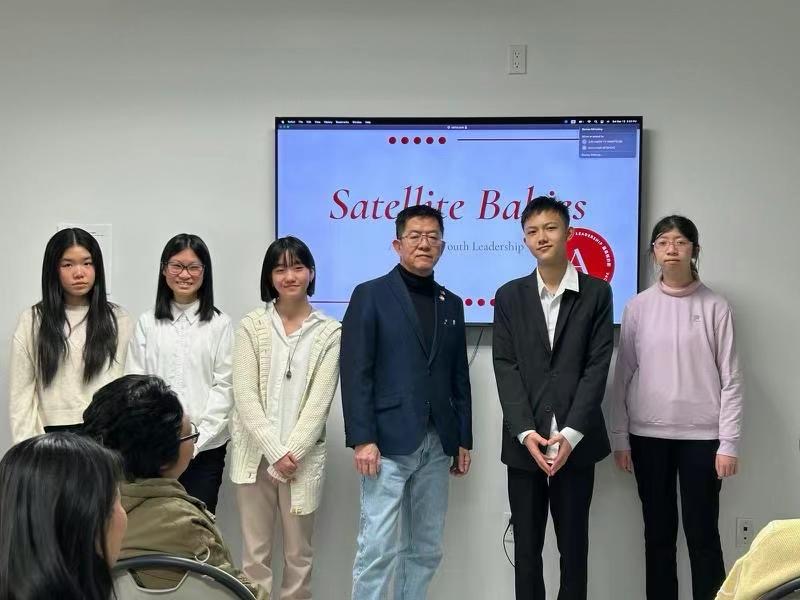
Presentation to the community and local leaders
The project culminated in a presentation to the public as well as State Senator Steve Chan and Assemblyman Lester Chang. The team discussed political and cultural motivations behind sending children back to their motherland, social and academic consequences of doing so, along with potential next steps to help students better adjust upon returning to the U.S. and to prevent parents from feeling the need to send their children back in the future.
 Parents Group New York • Project Appleseed